
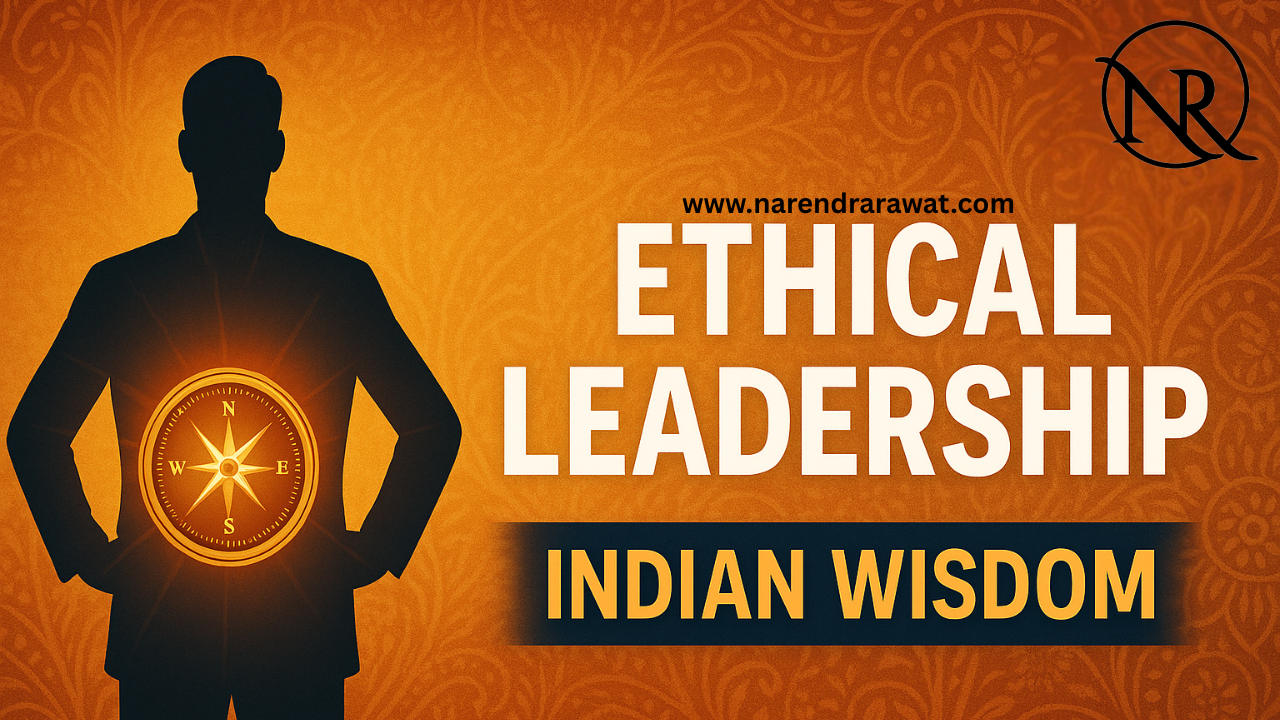
The Role of Ethics in Leadership: Insights from Indian Traditions
Introduction: Why Ethics Matter More Today Than Ever
In an era marked by rapid change, global competition, and constant digital scrutiny, ethical leadership is no longer optional—it’s essential. While modern management theories stress integrity, transparency, and accountability, these principles have been deeply embedded in Indian traditions for millennia.
From the concept of dharma to the wisdom of texts like the Bhagavad Gita, Indian thought offers timeless guidance on what it means to lead with conscience.
1. Dharma: The Foundation of Ethical Leadership
In Indian philosophy, dharma refers not just to “duty,” but to the right way of living. For leaders, dharma is a compass that guides decision-making, ensuring actions benefit not only the self but also society.
How Dharma Shapes Ethical Leadership
- Encourages leaders to prioritize collective welfare
- Emphasizes fairness and justice
- Helps leaders stay anchored during moral dilemmas
Example:
A CEO refusing unethical cost-cutting measures—even if profitable—embodies dharma by choosing long-term trust over short-term gains.
2. The Bhagavad Gita: Leadership During Crisis
The Gita is essentially a dialogue on leadership under pressure. Krishna teaches Arjuna to act with courage, clarity, and self-discipline—qualities every modern leader needs.
Leadership Lessons from the Gita
- Nishkama Karma: Focus on effort, not personal reward
- Self-mastery: Control over impulses leads to better decisions
- Purpose-driven action: Aligning personal goals with a higher mission
These lessons encourage leaders to stay ethical even when outcomes are uncertain.
3. Chanakya’s Arthashastra: Ethics with Practicality
While Chanakya is often remembered for political strategy, his texts also emphasize a leader’s duty toward:
- Welfare of the people
- Financial transparency
- Wise counsel
- Just governance
His message?
Ethics and effectiveness are not opposites—when combined, they create sustainable leadership.
4. The Guru–Shishya Tradition: Humility and Lifelong Learning
Indian traditions view learning as a sacred journey. Leaders who embrace humility and continuous learning cultivate trust and inspire others to grow.
Implications for Modern Leadership
- Welcoming feedback
- Investing in team development
- Leading by example rather than authority
5. Ahimsa and Compassion in Leadership
Drawn from Jain, Buddhist, and Gandhian philosophies, ahimsa (non-violence) extends beyond physical harm—it includes avoiding emotional or ethical harm.
What Compassionate Leadership Looks Like Today
- Empathy in decision-making
- Transparent communication
- Prioritizing employee well-being
6. Ethical Leadership in Indian Organizations Today
Many Indian companies—like Infosys, TATA Group, and Wipro—embed traditional values into their cultures.
Common Principles They Share
- Value-driven corporate governance
- Community upliftment
- Transparency in processes
- Long-term stakeholder orientation
These organizations showcase how ancient ethical principles can thrive in a modern business landscape.
Conclusion: A Timeless Blueprint for Ethical Leadership
Indian traditions don’t just teach ethics; they integrate ethics into identity, action, and purpose. In a world searching for authentic leadership, the Indian emphasis on dharma, compassion, justice, and self-mastery provides a timeless, practical roadmap.
Ethical leadership isn’t about perfection—it’s about intention, awareness, and courage. And the deeper one looks into India’s philosophical heritage, the clearer that path becomes.