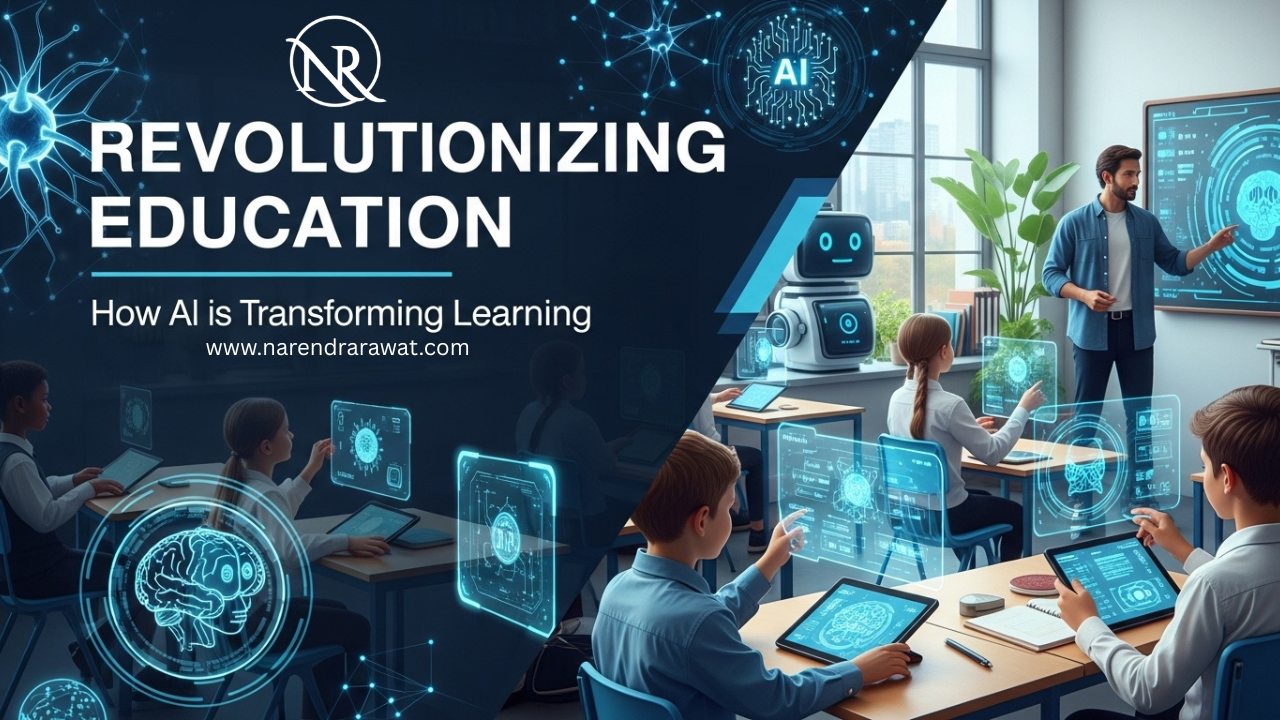
Revolutionizing Education: How New Teaching Methodologies and Artificial Intelligence Are Shaping the Future of Learning
________________________________________
Introduction: A New Era of Learning
The world of education is changing faster than ever before. Traditional chalk-and-talk classrooms are rapidly evolving into dynamic spaces where technology, creativity, and innovation meet. As schools and colleges embrace digital transformation, new teaching methodologies and Artificial Intelligence (AI) are leading the way toward smarter, more personalized learning experiences.
________________________________________
1. Modern Teaching Methodologies Redefining Education
Education today focuses less on rote memorization and more on critical thinking, creativity, and collaboration. Below are some of the most impactful modern methodologies transforming classrooms worldwide:
Flipped Classroom
Students learn theoretical concepts at home through videos or reading materials, while classroom time is used for discussion, problem-solving, and application-based learning. This approach boosts engagement and understanding.
Blended Learning
Blended learning combines traditional teaching with online tools, offering flexibility and self-paced learning through digital platforms and interactive content.
Project-Based Learning (PBL)
Students work together to research, plan, and present solutions to real-world problems. PBL enhances teamwork, communication, and analytical skills—preparing learners for life beyond the classroom.
Inquiry and Problem-Based Learning
Rather than memorizing facts, students explore topics by asking questions and solving open-ended problems, encouraging curiosity and independent thinking.
Gamified Learning
By adding elements like quizzes, badges, and leaderboards, gamified learning turns education into a fun, motivating experience that appeals to different learning styles.
Competency-Based Education
In this model, students move forward based on skill mastery rather than time spent in class—ensuring strong learning outcomes before progression.
________________________________________
2. The Impact of Artificial Intelligence in Education
AI is no longer a futuristic concept—it’s already transforming how students learn and teachers teach. From personalized tutoring to automated grading, AI is making education more intelligent, efficient, and adaptive.
Personalized Learning
AI tools like ChatGPT, Khanmigo, and Squirrel AI analyze a learner’s strengths and weaknesses to deliver custom learning paths, enabling every student to learn at their own pace.
Instant Feedback and Smart Assessments
AI evaluates assignments instantly, giving students real-time feedback while freeing up teachers to focus on guidance and mentorship.
Virtual Classrooms and Chatbots
AI-powered chatbots act as 24/7 virtual teaching assistants, ready to answer queries, explain topics, or assist students anytime, anywhere.
Data-Driven Insights
AI analytics can identify learning gaps, predict performance trends, and suggest interventions—empowering educators to make informed decisions for better outcomes.
________________________________________
3. Opportunities and Challenges Ahead
While AI introduces remarkable opportunities, it also raises important ethical and accessibility challenges.
• Digital Divide: Many schools, especially in rural areas, still lack access to modern technology or stable internet.
• Teacher Training: Educators must be equipped with AI literacy to use these tools responsibly.
• Ethical Concerns: Issues like data privacy, bias, and security need careful regulation.
The key lies in understanding that AI won’t replace teachers—it will assist them. The human touch—empathy, motivation, and mentorship—remains irreplaceable in education.
________________________________________
4. The Future of Learning: Human + AI Collaboration
The future of education lies in collaboration between human intelligence and AI innovation. It’s not just about smarter classrooms but about holistic development—nurturing curiosity, creativity, and adaptability.
What’s Next for Classrooms?
• AI-based adaptive learning environments
• Data-driven decision-making for educators
• Experiential and project-based learning models
• Cross-disciplinary education integrating arts, science, and technology
As AI continues to evolve, schools must embrace it responsibly—blending innovation with ethics and empathy.
________________________________________
Conclusion
The future of education is a harmonious blend of technology and human intelligence. With innovative methodologies and AI-powered tools, we are nurturing a generation of learners who are curious, confident, and capable of shaping a better world.
Education today is not confined to classrooms—it’s a continuous journey powered by learning, creativity, and technology.